
Aesthetic Treatments
Wart and Mole Removal
मस्से और तिल हटाना
Warts and moles are examined by a dermatologist before anything is removed. Most warts and many moles can be removed with a CO2 laser under local anaesthesia, usually in one sitting. A mole that raises any doubt is removed in a way that lets the tissue be checked in a laboratory.
Who it is for
- Common warts on the hands, face or body
- Warts on the soles of the feet
- Moles you want removed for appearance or because they catch on clothing, after examination
- Not for a mole that is changing in size, shape or colour until it has been assessed
How it works
Each growth is examined first. Warts are caused by a virus and are removed with the CO2 laser in surgical mode, which vaporises the tissue layer by layer under local anaesthesia. For moles, the dermatologist first decides whether laser removal is appropriate; any mole with diagnostic doubt is removed surgically so it can be sent for histopathology rather than vaporised.
Technology at Neelkanth
Devices we use for wart and mole removal
Every device listed is in use at the hospital. Which one suits you, if any, is decided after examination.
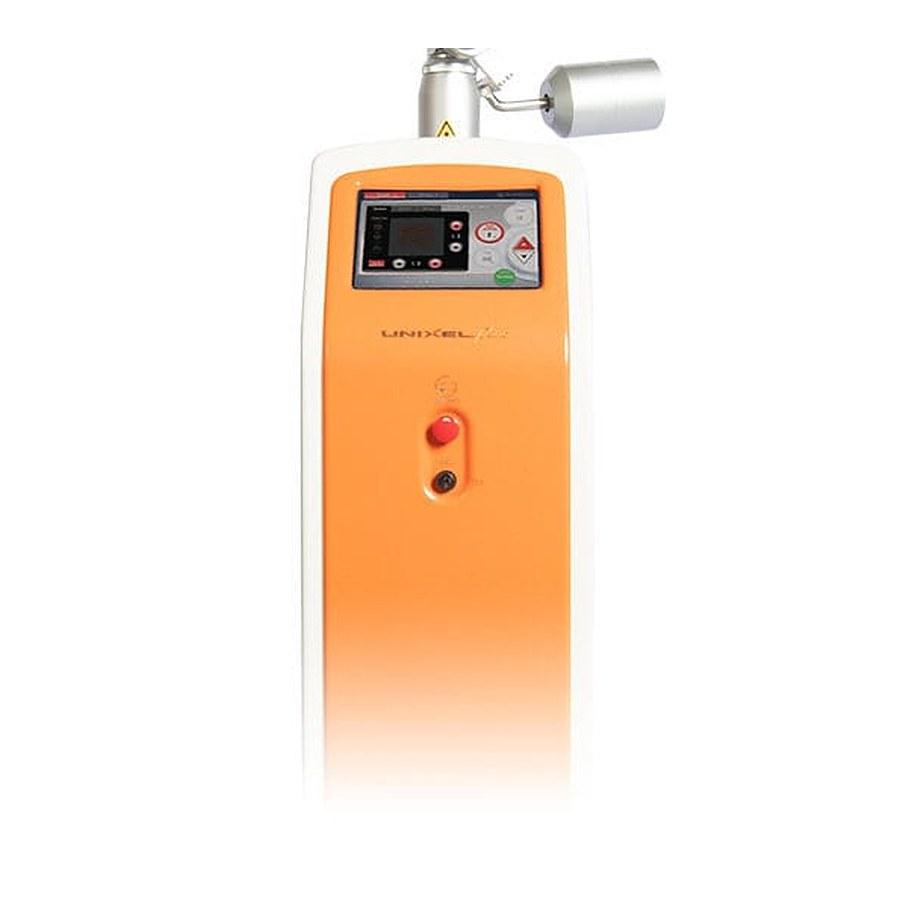
Fractional CO2 laser (Unixel Plus)
Union Medical, South Korea
CO2 laser in surgical mode removes warts and selected moles under local anaesthesia, usually in one sitting.
Dino-Lite digital dermatoscope
AnMo Electronics (Dino-Lite), Taiwan
Moles are examined by dermoscopy before removal; doubtful ones are sent for histopathology.
What to expect
- 1
Examination
Each wart or mole is examined, and you are told whether laser removal suits it.
- 2
Local anaesthesia
The area is numbed with a small injection.
- 3
Removal
The CO2 laser removes the growth in a few minutes; doubtful moles are excised and sent for testing.
- 4
Healing
A small wound forms and usually heals over one to two weeks, with a review if needed.
Sessions: Most warts and moles need one sitting. Warts can recur because of the virus, and occasionally need another.
Aftercare
- Keep the area clean and apply only what you are prescribed
- Do not pick the scab
- Protect the healing area from sun
- Contact the hospital if you notice spreading redness, pus or fever
Possible side effects
Scarring, lighter or darker skin at the site, infection and recurrence of warts are possible. A mole can occasionally regrow. Your risks are discussed before removal.
Frequently asked questions
Will it leave a scar?
A small mark is possible and depends on the size and depth of the growth and on your skin. It is discussed before removal.
Can every mole be removed by laser?
No. A mole with any diagnostic doubt is removed surgically so it can be checked in a laboratory. The dermatologist decides after examination.
Can warts come back?
Yes. Warts are caused by a virus and can recur at the same or another site; some need another sitting.
Is it done in one visit?
Usually yes: examination and removal can often be done on the same day.
Related
This page is general information and does not replace an in-person consultation. Individual results vary, and suitability for any treatment is determined only after examination.
Three ways to reach us
Book online
Request an appointment and the front desk will confirm a time with you.
Book an appointment