
Dermatology
Melasma
मेलास्मा · also called chloasma, pregnancy mask, face patches
Melasma appears as symmetrical brown or grey-brown patches, most often across the cheeks, forehead and upper lip. It is a long-term condition that is managed rather than cured, and it is closely tied to sun exposure and hormonal factors.
Symptoms
- Symmetrical brown or grey-brown patches on both cheeks
- Patches across the forehead or above the upper lip
- Darkening in summer and after sun exposure
- Borders that are irregular but well defined
- No itching, scaling or discomfort
Common causes
- Sun and visible light exposure
- Hormonal factors, including pregnancy and hormonal medication
- Genetic predisposition
- Heat exposure
- Irritation from harsh products
When to see a doctor
- Patches are symmetrical and increasing
- Creams have caused irritation or rebound darkening
- You are pregnant or planning pregnancy and want appropriate advice
- You want a plan that accounts for recurrence rather than a one-off treatment
How it is assessed at Neelkanth
Melasma is examined to establish depth and to distinguish it from other pigmentation. Depth strongly influences what treatment can achieve. Your doctor will discuss triggers, current products and realistic expectations before starting, because melasma characteristically fluctuates.
Treatment approaches
Rigorous sun protection
Daily broad-spectrum sunscreen, reapplication and shade. In melasma this is treatment, not an add-on.
Topical treatment
Prescription creams used in supervised courses, with review to manage irritation and avoid rebound.
Chemical peels
Considered in selected cases as part of a combined plan, at conservative strengths.
Maintenance planning
Because melasma recurs, plans include what to continue between courses and how to manage seasonal flares.
Technology at Neelkanth
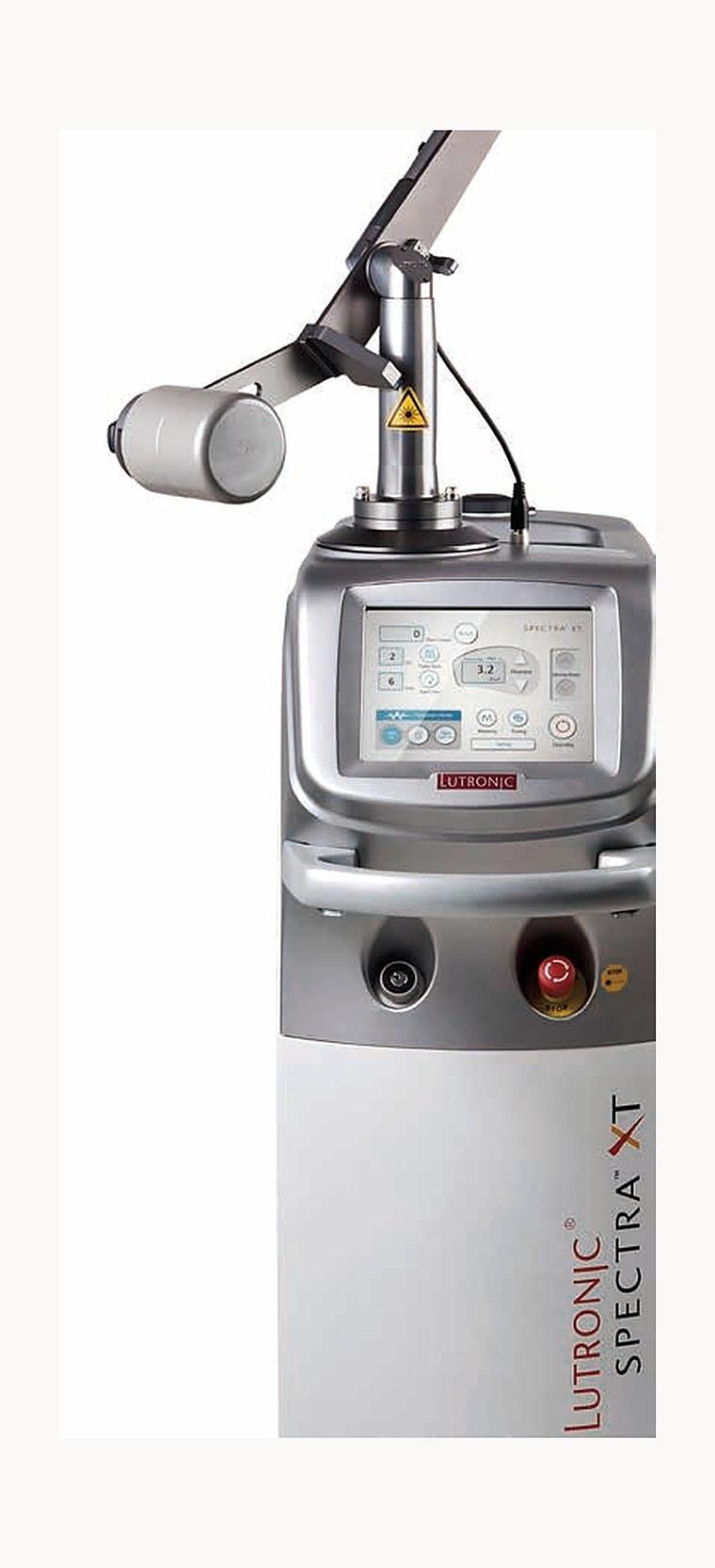
Devices we use for melasma
Every device listed is in use at the hospital. Which one suits you, if any, is decided after examination.
What to expect
Melasma is manageable but persistent. Expect gradual lightening over months, with a real possibility of recurrence in summer or with hormonal change. Aggressive treatment often backfires and worsens pigmentation, so plans are deliberately measured.
Aftercare
- Sunscreen every day of the year, reapplied outdoors
- Avoid heat and strong direct sun where you can
- Do not add unprescribed lightening products
- Continue maintenance treatment between active courses
Frequently asked questions
Will melasma go away permanently?
No. It is a long-term condition that is controlled with treatment and maintenance. Recurrence is common, particularly with sun exposure.
Did pregnancy cause my melasma?
Hormonal changes in pregnancy are a recognised trigger. It sometimes improves after pregnancy but often needs treatment.
Is laser suitable for melasma?
It is used selectively and cautiously. In some cases laser worsens melasma, which is why assessment comes first.
Do I need sunscreen indoors?
Visible light and window glass exposure can contribute. Your doctor will advise what is practical for your routine.
Related
This page is general information and does not replace an in-person consultation. Individual results vary, and suitability for any treatment is determined only after examination.
Three ways to reach us
Book online
Request an appointment and the front desk will confirm a time with you.
Book an appointment