
Dermatology
Acne
मुँहासे · also called pimples, muhase, keel
Acne is one of the most common reasons people come to the dermatology OPD at Neelkanth Hospital. It ranges from occasional blackheads to persistent inflamed lesions that leave marks, and the right treatment depends on which type you have and how long it has been going on.
Symptoms
- Blackheads and whiteheads, most often on the forehead, nose and chin
- Red, raised or tender spots
- Pus-filled lesions
- Deeper, painful lumps under the skin
- Dark marks or pitted scarring left behind after lesions heal
- Oiliness across the central face
Common causes
- Increased oil production and blocked pores
- Bacteria within blocked follicles
- Hormonal changes, including around puberty and menstrual cycles
- Some cosmetic and hair products that occlude pores
- Certain medications — worth mentioning at your consultation
When to see a doctor
- Spots are leaving marks or pitted scars
- Over-the-counter products have not helped after several weeks
- Lesions are painful or deep
- Acne is affecting how you feel about going out or meeting people
How it is assessed at Neelkanth
A consultation involves examining the type and distribution of lesions, asking about how long it has been present, previous treatments and any products you use, and where relevant discussing whether hormonal factors need investigation. Treatment is then matched to the type of acne rather than applied uniformly.
Treatment approaches
Topical treatment
Prescription creams or gels applied to affected areas, chosen according to whether the picture is mainly comedonal or inflammatory.
Oral medication
Where acne is more widespread or inflamed, oral treatment may be considered. Suitability, duration and monitoring are discussed at consultation.
Chemical peels
Performed in the clinic over a course of sessions, used in selected cases alongside medical treatment.
Treatment for resulting marks and scars
Once active acne is controlled, remaining pigmentation or scarring can be addressed separately. This is a different treatment plan from the acne itself.
Technology at Neelkanth
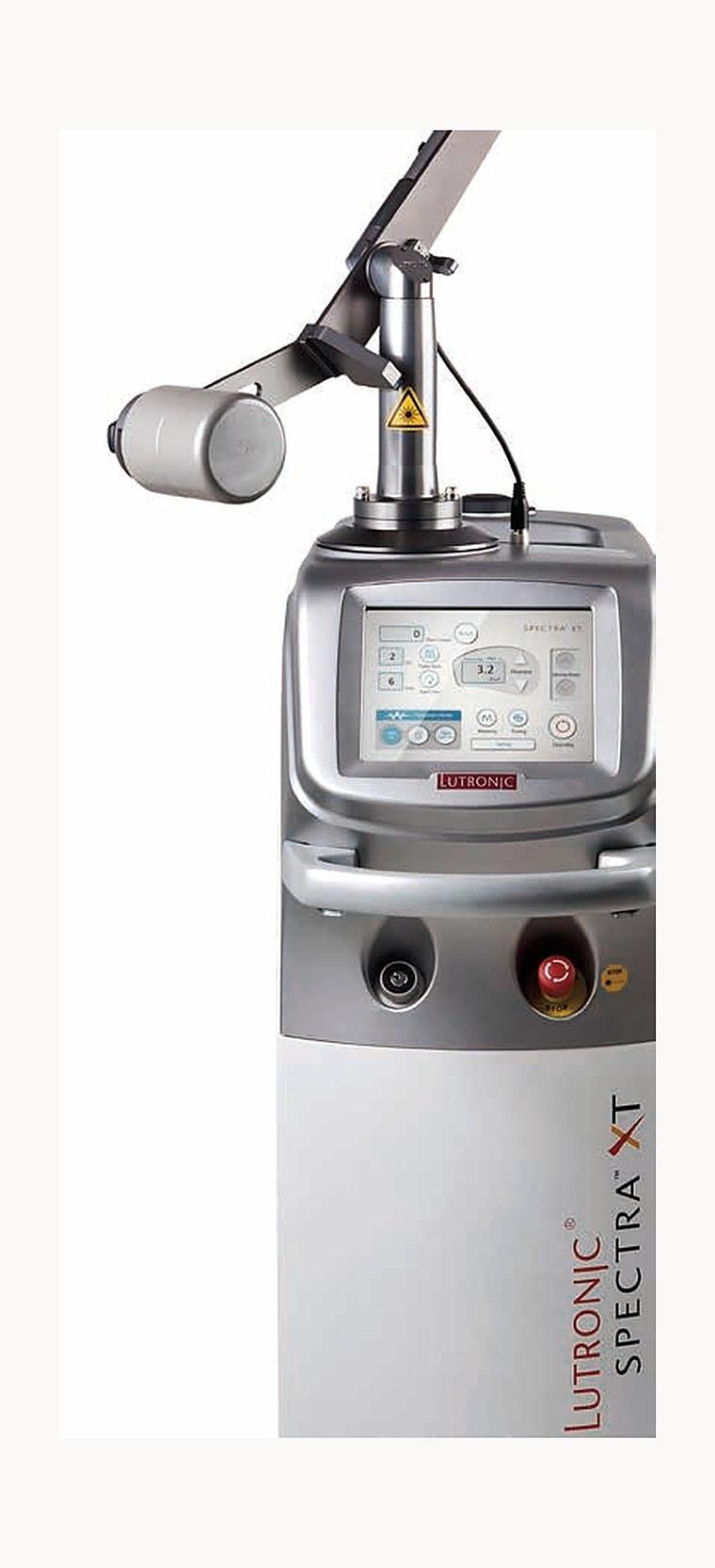
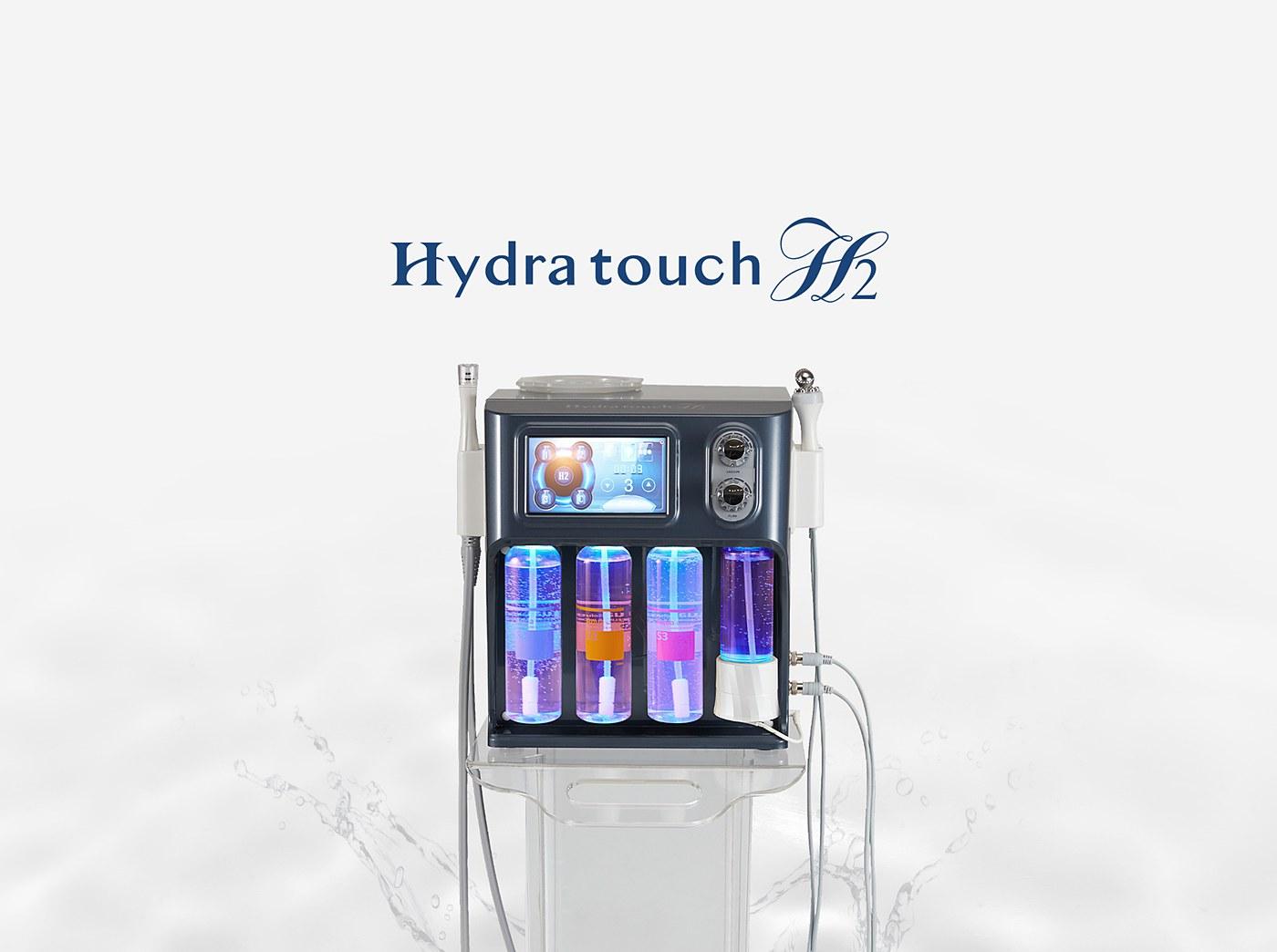
Devices we use for acne
Every device listed is in use at the hospital. Which one suits you, if any, is decided after examination.
What to expect
Acne treatment takes time. Most plans are reviewed after several weeks rather than days, and response varies from person to person. Some treatments cause an initial worsening before improvement. Preventing new lesions is usually a more realistic first goal than clearing existing marks, which are treated later.
Aftercare
- Use a gentle, non-foaming cleanser twice daily
- Apply sunscreen daily, particularly during any peel or laser course
- Avoid picking or squeezing lesions — this is the main cause of lasting scarring
- Continue treatment as prescribed even after visible improvement
Frequently asked questions
How long before I see a difference?
Most acne treatment is reviewed after six to eight weeks. Improvement is gradual and varies between people. Your doctor will tell you what to expect for your specific plan.
Will the marks left behind go away on their own?
Flat brown marks often fade slowly over months. Pitted or indented scars do not resolve on their own and are treated separately once active acne is settled.
Does diet cause acne?
Diet is not the sole cause of acne. Some people notice patterns with particular foods. It is worth mentioning at your consultation, but treatment does not usually rest on diet alone.
Do I need to stop wearing makeup?
Not necessarily. Bring the products you use to your consultation so they can be reviewed — some occlude pores and can be swapped rather than stopped altogether.
Related
This page is general information and does not replace an in-person consultation. Individual results vary, and suitability for any treatment is determined only after examination.
Three ways to reach us
Book online
Request an appointment and the front desk will confirm a time with you.
Book an appointment