
Dermatology
Acne Scars
मुँहासों के निशान · also called pitted scars, acne marks, daag
Acne can leave two quite different things behind: flat brown or red marks, and indented scars where the skin surface has changed. They respond to different treatments, so the first step is establishing which you have.
Symptoms
- Flat brown or red marks where spots have healed
- Small pitted or ice-pick depressions
- Broader, shallow depressions
- Raised or thickened scar tissue in some cases
- Uneven skin texture visible in side lighting
Common causes
- Inflammation extending deeper into the skin
- Picking or squeezing active lesions
- Acne left untreated for a long period
- Individual tendency to scar, which varies between people
When to see a doctor
- Marks have not faded after several months
- You can feel or see indentations in the skin
- You are considering treatment and want to know what is realistic
- Active acne is still appearing — this should be controlled first
How it is assessed at Neelkanth
Scarring is examined in good and angled light to distinguish pigmentation from true textural change, and to identify which types of scar are present. Because different scar types respond differently, most plans combine approaches and are staged over months.
Treatment approaches
Treatment of pigmentation and marks
Flat brown or red marks are managed with topical treatment, sun protection and in selected cases peels or laser treatment.
Laser treatment for texture
Used to address indented scarring over a course of sessions. Suitability depends on scar type and skin type, and is assessed at consultation.
Chemical peels
Used in selected cases, usually as part of a combined plan rather than alone.
Controlling active acne first
If new lesions are still forming, treating those comes first — otherwise new scarring continues to appear.
Technology at Neelkanth
Devices we use for acne scars
Every device listed is in use at the hospital. Which one suits you, if any, is decided after examination.
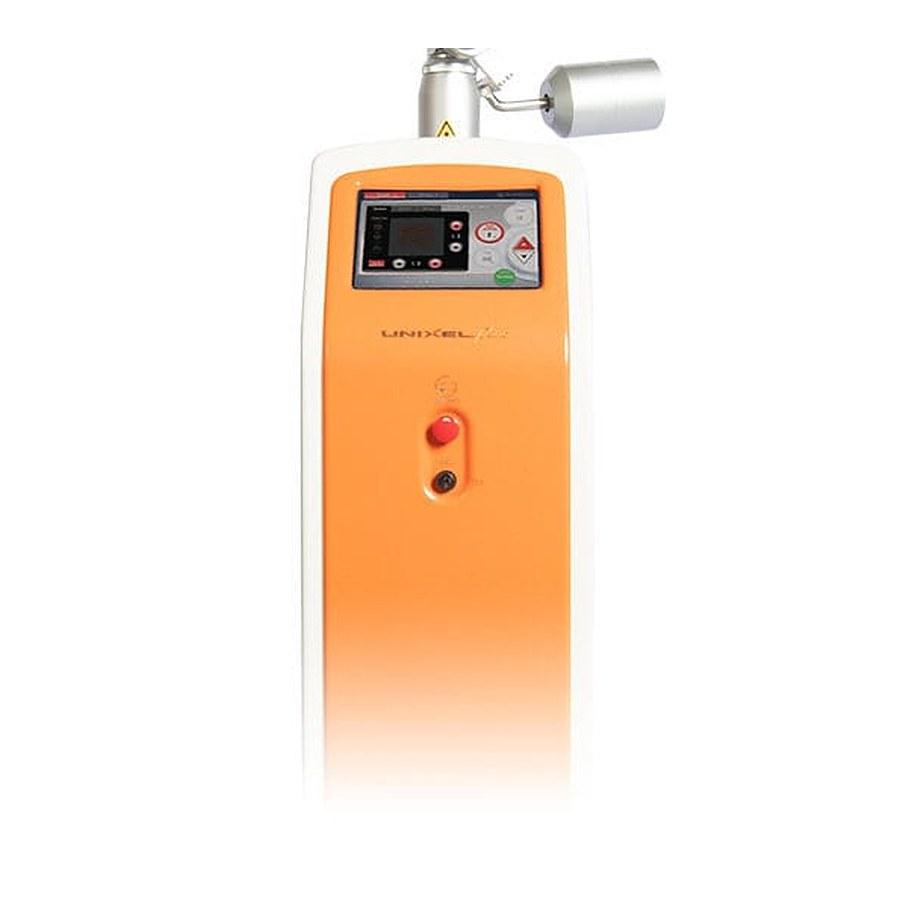
Fractional CO2 laser (Unixel Plus)
Union Medical, South Korea
Fractional CO2 resurfacing for acne scars, over a course of sessions.
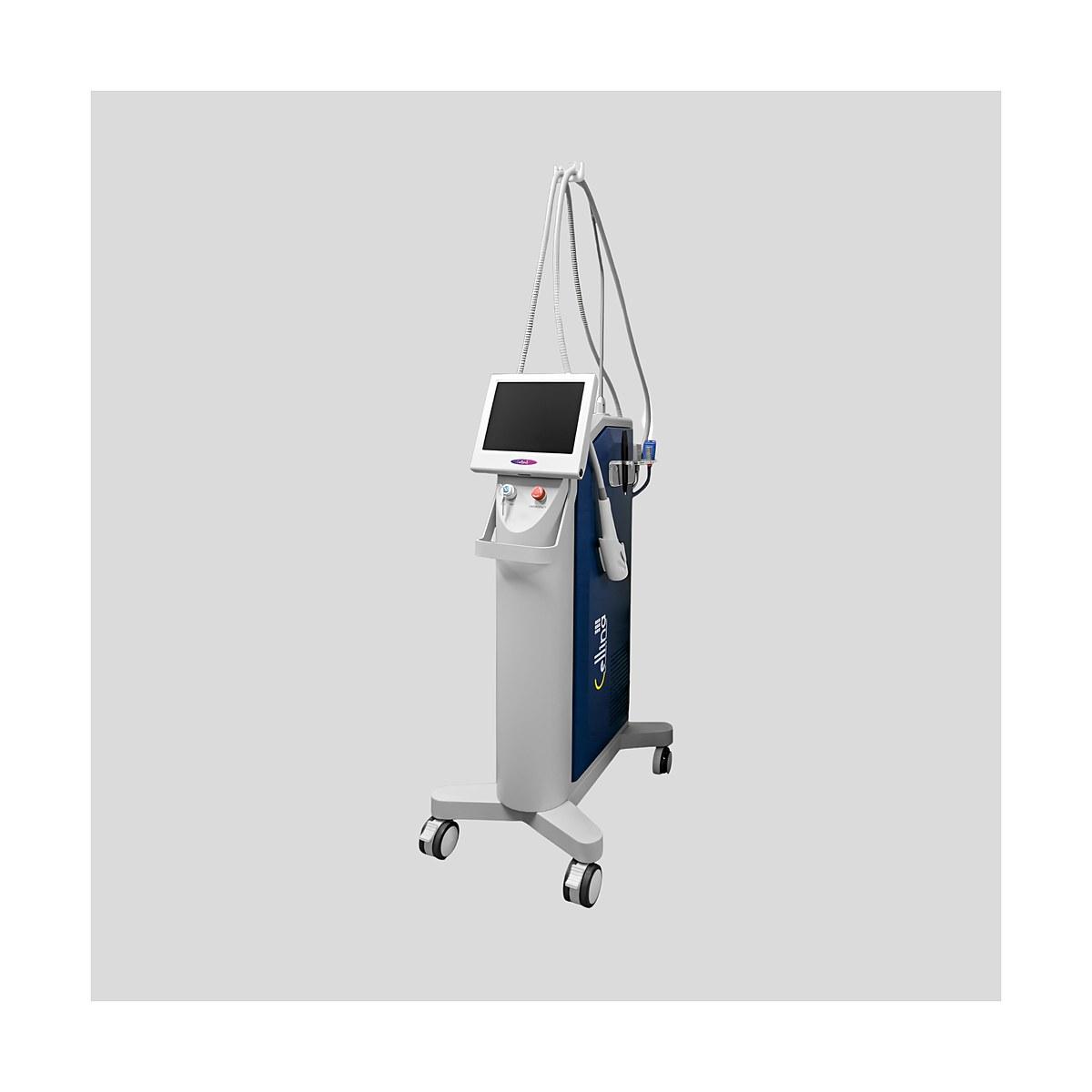
Fractional RF microneedling (Cellina PR)
DAOL MED, South Korea
Fractional radiofrequency microneedling for indented acne scars, over a course.
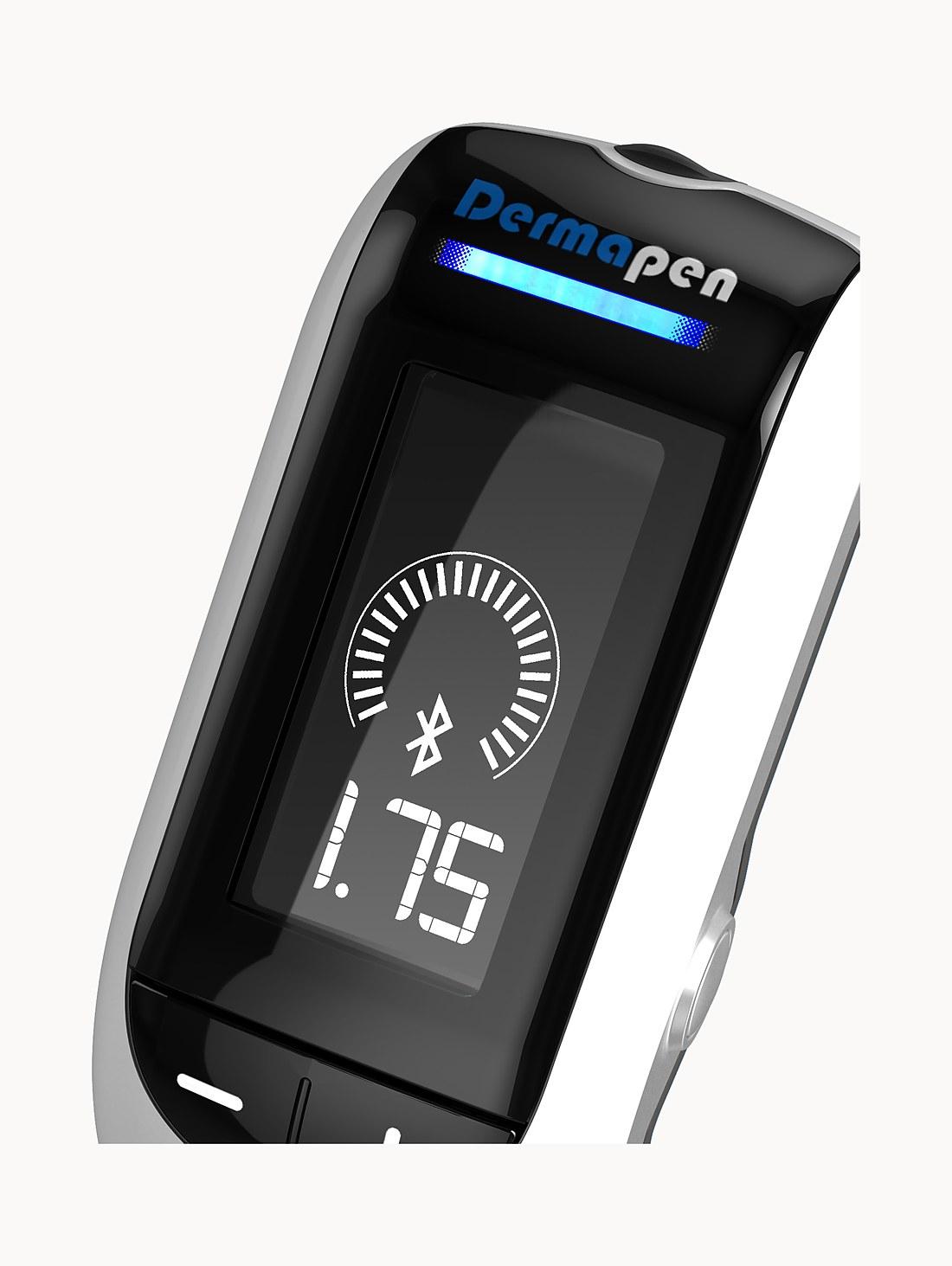
Automated microneedling device
DermapenWorld
Automated microneedling for acne scars, over a course of sessions.
What to expect
Scar treatment improves appearance; it does not return skin to a pre-acne state. Progress is gradual over a course of sessions spaced weeks apart, and results vary considerably between individuals depending on scar type, depth and skin type. Your doctor will discuss what is realistic for your particular pattern before starting.
Aftercare
- Daily sunscreen is essential throughout any course of treatment
- Expect redness for a few days after some procedures
- Avoid active skincare ingredients around procedure dates unless advised
- Keep to the review schedule so the plan can be adjusted
Frequently asked questions
Can acne scars be completely removed?
No. Treatment aims to improve texture and appearance. Anyone promising complete removal is overstating what is possible.
How many sessions will I need?
This varies with scar type, depth and skin type. Your doctor will give an indication after examining your skin, and the plan is reviewed as you go.
Is treatment painful?
Discomfort varies by procedure. Where relevant, numbing is used. This is discussed before you agree to any treatment.
Should I wait until my acne stops completely?
Active acne should be controlled first, otherwise new scars form while you are treating old ones. Your doctor will advise on timing.
Related
This page is general information and does not replace an in-person consultation. Individual results vary, and suitability for any treatment is determined only after examination.
Three ways to reach us
Book online
Request an appointment and the front desk will confirm a time with you.
Book an appointment